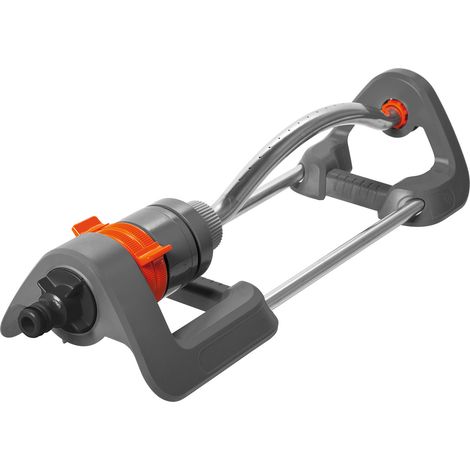
Aspersor automático de jardín con rotación de 360 grados, tres brazos ajustables y conector para manguera de jardín de 1/2 pulgada. Riego de césped.
¿Compras para tu empresa?
Precios negociados sin IVA hasta -20%
'/%3E%3C/svg%3E)
¡Creemos que esto puede interesarte!

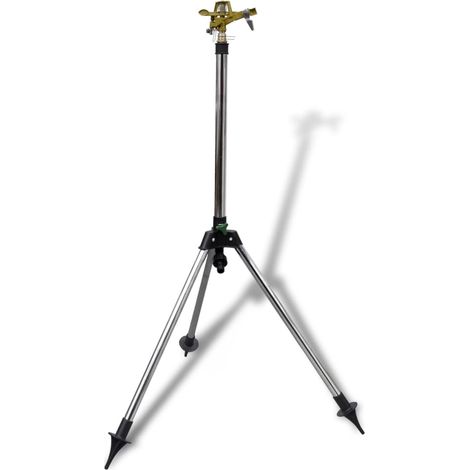
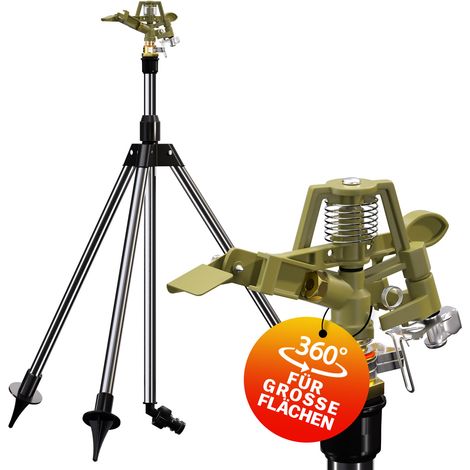

GARDEBRUK® Aspersor de Césped Trípode Telescópico 360° Alcance hasta 24m Altura Ajustable con Conectores de Manguera Sistema Riego Jardín Huerto
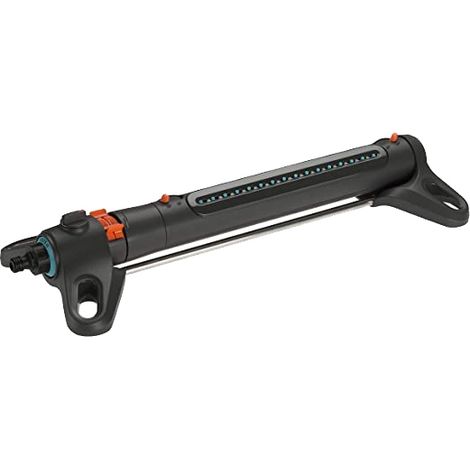
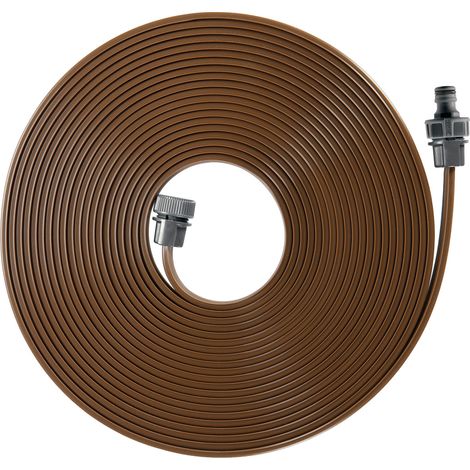
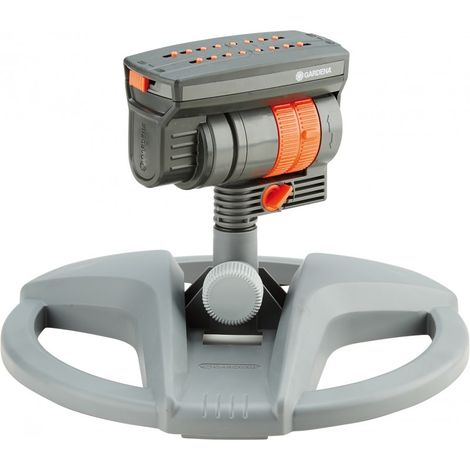
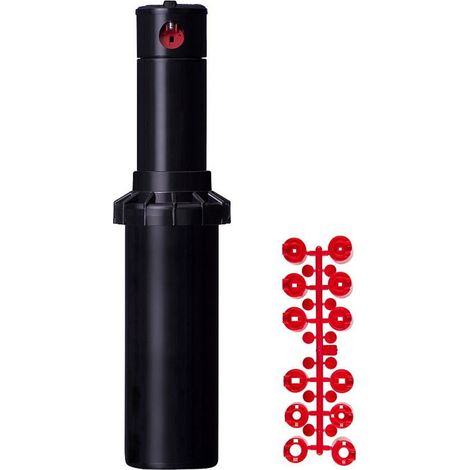

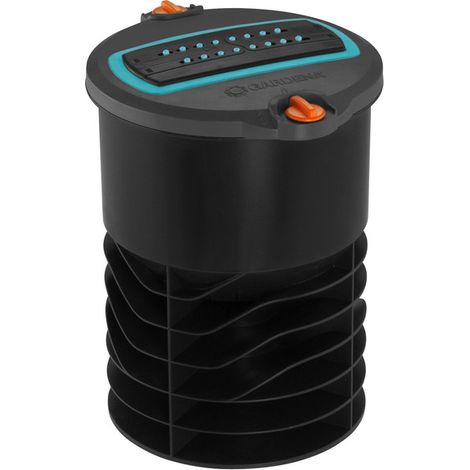

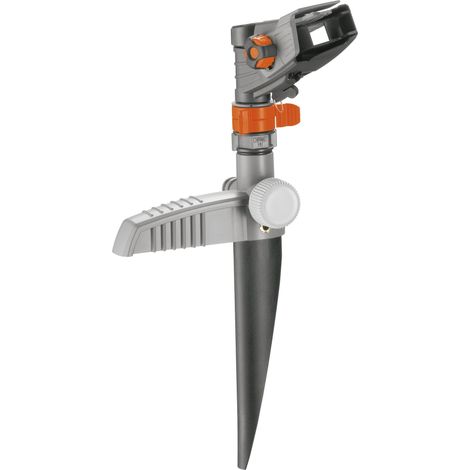
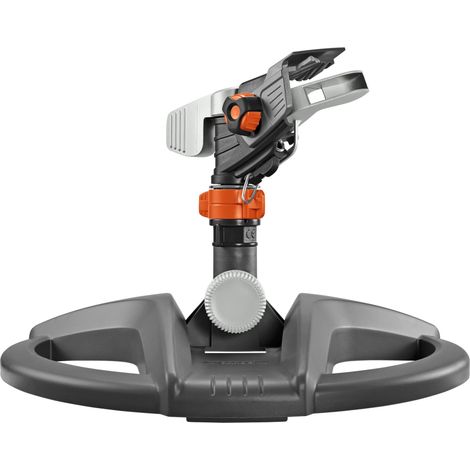

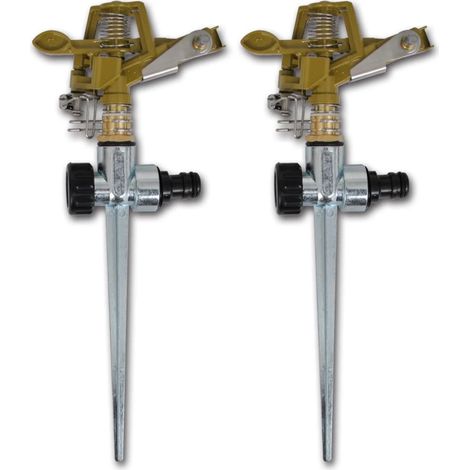
GARDENA Aspersor de riego de impacto sectorial con base Premium para superficies de riego de 490 m2, alcance 12,5 m (8135-20)
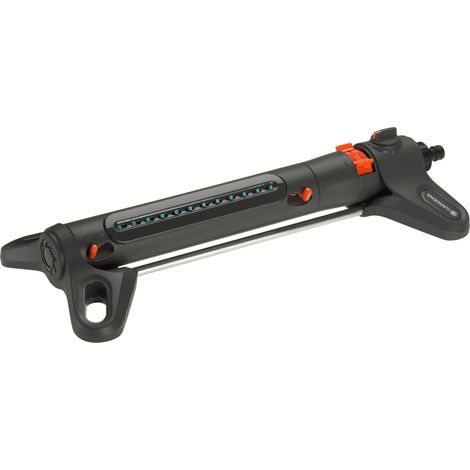
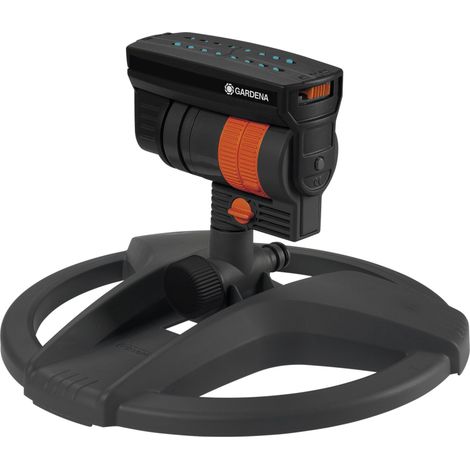
GARDENA Aspersor de riego Oscilante Aquazoom S para superficies de riego de 150 m2, alcance 15 m y ancho de aspersión de 10 m (18710-20)
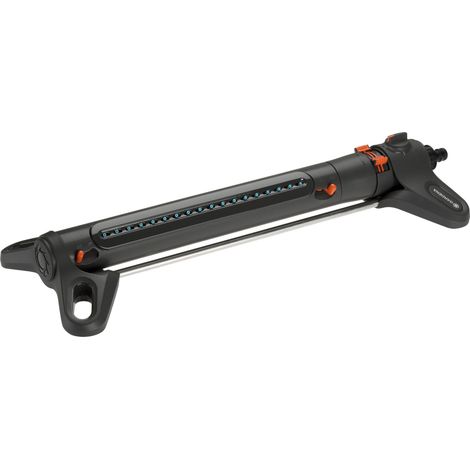
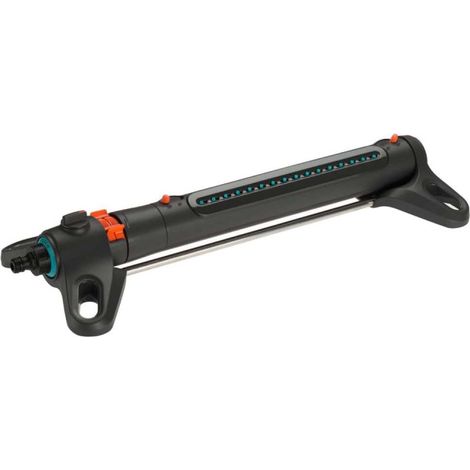
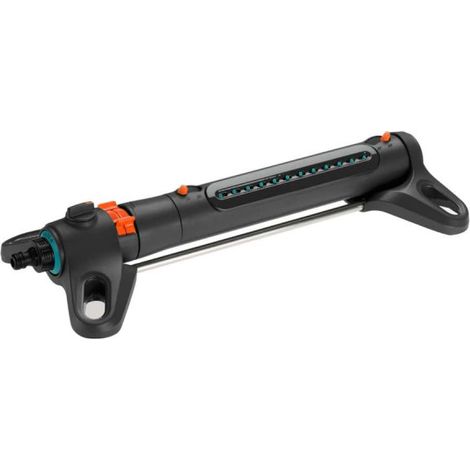
GARDENA Aspersor de riego Oscilante Aquazoom L para superficies de riego de 350 m2, alcance 21 m y ancho de aspersión de 17 m (18714-20)
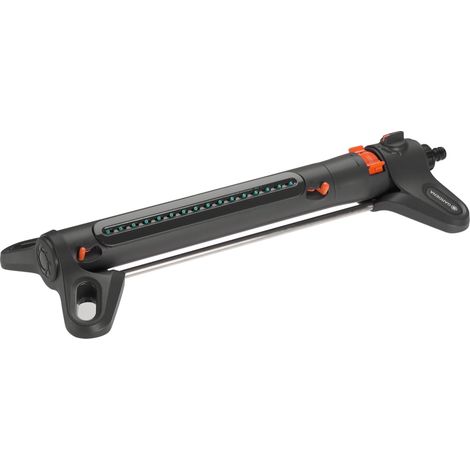
GARDENA Aspersor de riego Oscilante Aquazoom M para superficies de riego de 250 m2, alcance 18 m y ancho de aspersión de 14 m (18712-20)

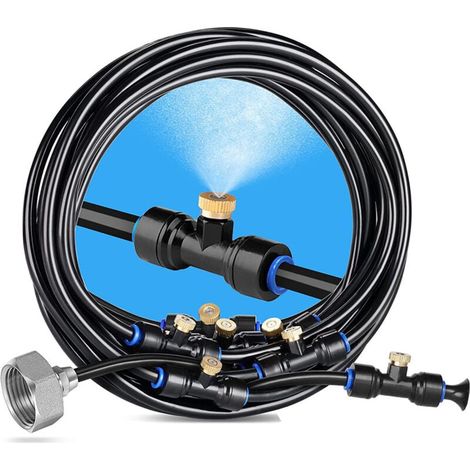

Comparar con artículos similares
Información del producto
Descripción
Características
- MarcaNO BRAND
- ColorAmarillo
- Medida roscas de fontanería1/2" (15x21)
- MaterialPlástico
- Movimiento de riegoOscillante
- RegulableSi
- Tipo de aspersorAspersor
- Referencia ManoManoME242142877
- MMID206033715392
- Ref. del fabricanteK0524-0826-CJ16870
- EAN6260441220304
'/%3E%3C/svg%3E)
¿Cómo elegir el sistema de riego de tu jardín?
Los consejos de nuestros expertos
'/%3E%3C/svg%3E)